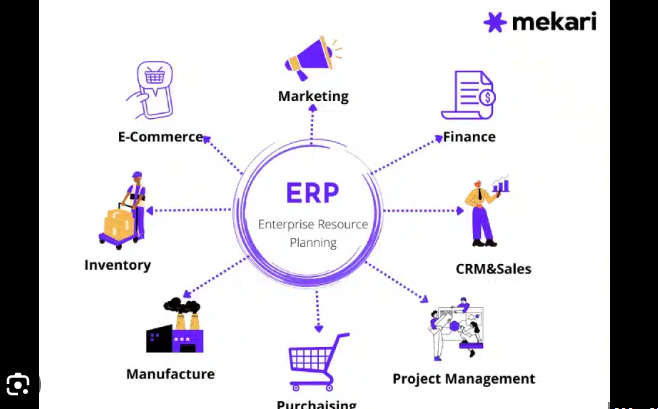
Choosing the right Enterprise Resource Planning (ERP) system is an important decision for any business. One of the biggest considerations is whether to implement a Cloud ERP solution or an On-Premise ERP system. While both options help organizations manage finance, inventory, human resources, and operations, they differ in cost, deployment, maintenance, and flexibility.
What Is Cloud ERP?
Cloud ERP is hosted by a third-party provider and accessed through the internet. Businesses typically pay a monthly or annual subscription fee, eliminating the need for expensive hardware and server infrastructure. Because the vendor manages software updates, security, and maintenance, companies can focus on their core operations instead of IT management.
Cloud ERP is highly scalable, making it an excellent choice for startups and growing businesses that expect future expansion.
What Is On-Premise ERP?
On-Premise ERP is installed on a company’s own servers and managed by its internal IT team. This option gives organizations complete control over system configuration, data storage, and security policies.
Although On-Premise ERP requires a larger upfront investment in hardware, software licenses, and maintenance, it may be suitable for businesses with strict compliance requirements or highly customized operational processes.
Key Differences
Cloud ERP offers lower initial costs, faster deployment, automatic software updates, and remote access from virtually anywhere. It is ideal for businesses seeking flexibility and reduced IT responsibilities.
On-Premise ERP provides greater customization, full control over infrastructure, and enhanced data governance. However, it often involves higher implementation costs, longer deployment times, and ongoing maintenance expenses.
Which Option Is Best?
The best ERP solution depends on your organization’s needs. Small and medium-sized businesses often prefer Cloud ERP because of its affordability, scalability, and ease of use. Larger enterprises or organizations operating in highly regulated industries may benefit from the greater control offered by On-Premise ERP.
Conclusion
Both Cloud ERP and On-Premise ERP provide powerful tools for improving business efficiency and productivity. Cloud ERP is generally the better choice for companies seeking flexibility, lower upfront costs, and simplified maintenance. On-Premise ERP remains a strong option for businesses requiring advanced customization and complete control over their systems. Carefully evaluating your budget, business goals, and long-term growth strategy will help you choose the ERP solution that best supports your organization’s success.